My thoughts on the next steps to take to control COVID-19
So with vaccines available and with a majority of those who can get the vaccine with at least one dose, here in Canada. And the 4th wave looks to be imminent. The question becomes what next?
I’m no doctor, or scientist or politician or … or … or … I’m just a guy behind a keyboard with some thoughts. So take everything here with that knowledge. Hopefully a bit of common sense is seen throughout these thoughts but I can’t claim any special knowledge or insight. What follows are my thoughts on what the next steps should be for dealing with COVID-19.
- More vaccinations
- Vaccines in those places that don’t have them
- Let people die
- Back to more tracing, masks, social spacing, etc.
- Build more ICU and COVID beds/spaces

1. More vaccinations
We need to get more people vaccinated. I think it will happen but we’ve definitely hit a plateau. As more places require vaccinated status and more and more people see the effects of COVID for themselves I expect to see more vaccinations but I don’t expect another surge of people getting vaccines.
2. Vaccines in those places that don’t have them
We need to get the vaccine to people who want the vaccine but don’t have it. This includes developing countries, underserved communities, children, etc. If we leave out places where they don’t have access to the vaccine there is more opportunity for the virus to mutate and for those infected to re-infect those who have been vaccinated.
3. Let people die
People aren’t going to say it, so I will. Some people are not going to make it. That is going to have to factor in. There is going to be a prioritization. It already happens. People with access to treatment through money or access because of location are prioritized. Those who are more likely to recover are prioritized. Whether it is direct or implicit, prioritization happens. We need to be prepared that we are going to have to let some people die. People are already dying. It’s a fact. Let’s face it.
4. Back to more tracing, masks, social spacing, etc.
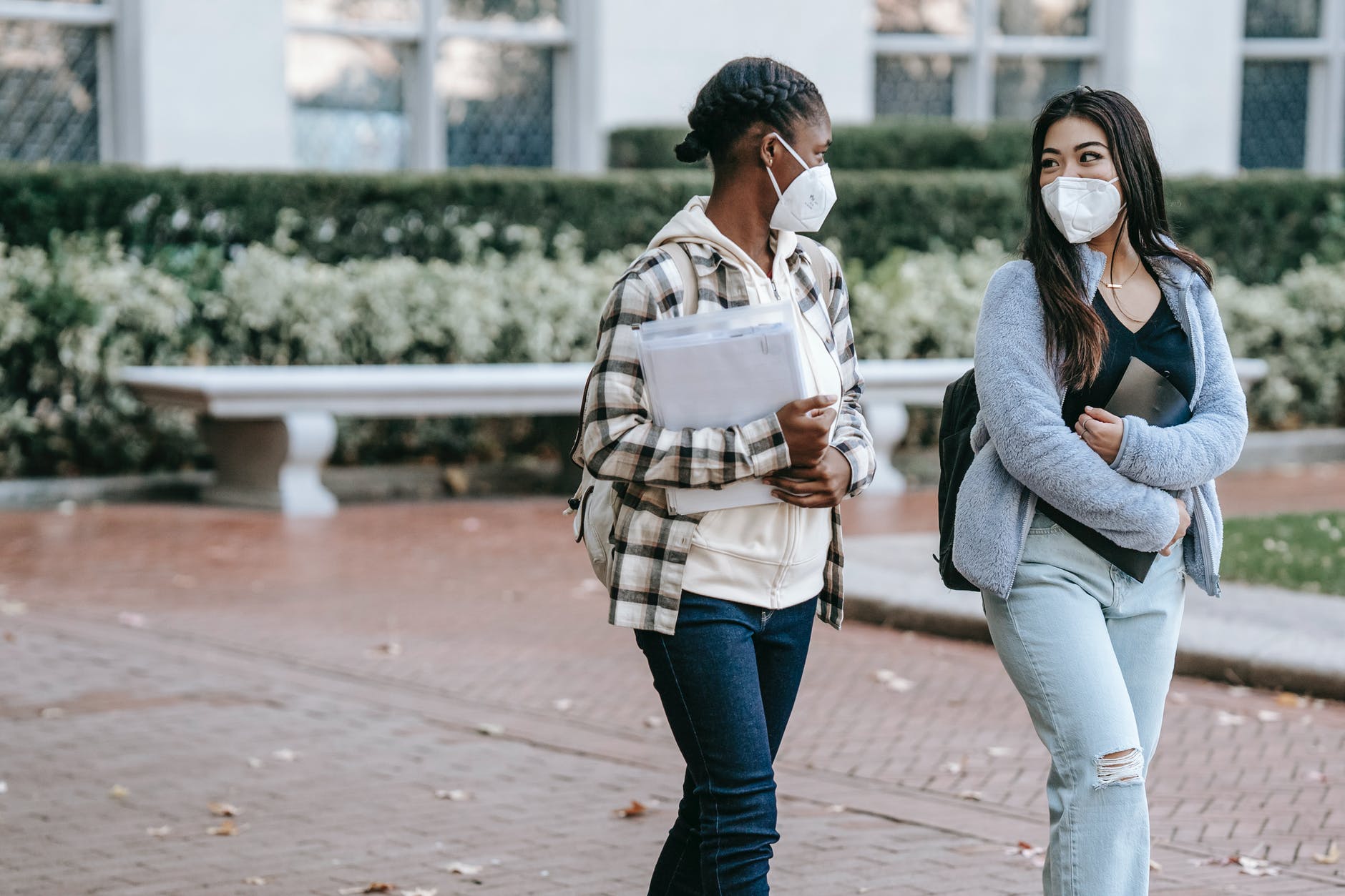
I know it has been politicized and people are tired of it but masks work to slow the spread and they’re here to stay for a while. There needs to be a going back to mask mandates. Masks work best in protecting other people from the wearer. Basically it traps more of the germs and droplets from the wearer so they don’t spread. Knowing that even vaccinated people can spread COVID, it just makes too much sense not to reinstate and continue mask mandates. What needs to be brought back and beefed up as well is contact tracing. This was never utilized to the best of its ability. Alerting those who have been in contact with those who have COVID will let them get tested, more on that in a bit, and to isolate. Knowing the areas where there are flare ups will also help in setting up and preparing hospitals and ICU units in those areas. Testing also needs to be ramped backed up and become more efficient. We now have home tests and rapid tests though they can have accuracy issues, they’re still pretty good but as more and more people move about there is going to be an increase in the need for testing and fast, easy, accurate tests. This has fallen off a bit but let’s not be lax in our innovation with testing. They can be faster, easier and more accurate than the baseline that we have now. The jump isn’t that far so let’s get to it.
5. Build more ICU and COVID beds/spaces
This hasn’t been discussed enough in my opinion. One of the major reasons for shutting down states and many of the measures that governments are taking is being justified by the need to save room in hospitals and specifically ICU departments. Well one way to alleviate that is to decrease the number of patients, which we’re doing and trying but another is to increase the number of spaces, which we’re not, that I’ve seen or heard of.
Now I know that when people think of creating more beds and room for ICU and COVID patients they think of more hospital rooms and that would be a big expense and take time. And to be honest that is an option and one that should be looked at. Let’s increase smart funding for hospitals and health care including increased ICU and hospital rooms. But that is not the only option when it comes to increased beds. I think most of us have seen the pictures of hospitals putting up tents and beds in parking lots or other extreme measures like that. Why not put up some temporary beds, modular type in nearby malls with empty space? We’ve all heard about how malls are struggling, and have seen it where the large department stores have left and stand empty. They are located at easy access places, plenty of parking and when people see COVID patients in their neighborhood as they shop maybe it will wake some up to how real this is. It can be done. Rent out the space. Multiple wins.
Also training for nurses and doctors. Yes, a long term solution but they’re needed. We’re losing people at an alarming rate. Tuition help, reimbursements, loan forgiveness, academic help, immigrants. All of it. Also, there can be something done to help alleviate the burden they have and provide more jobs. Assistant to assistant nurses or something. Something entry level, low skill, easily and quickly trainable. Even if all they do is pick up charts and empty bedpans. It takes a bit off the nurses and doctors and could help for the off-site COVID rooms. And what about when the need isn’t as great? The levels aren’t as swollen? Training. Have them cover for nurses as they get more training. Train them for higher up nursing roles. Cross train them so they can cover different areas. The point is to have trained personnel available. More is better than less in this case.
Another thing I’d like to see is more talk about treating COVID specifically as a viral infection before it becomes serious. Because it is a virus it is up to the body to fight it off, which is why vaccines are so effective. They get the body ready for the virus and to recognize that it is something the body needs to fight and having had the experience of beating it so it can attack the virus early and with it’s best fighting. So the best you can do with a viral infection is to have had a vaccine, have a hearty immunization system, rest and time. However, we can treat symptoms. So, more COVID related symptom relievers would be good. I”m sure there is plenty already out there they just need to add COVID on the box and a little dosage remixes and warnings. This may seem counterintuitive as the goal is to get more people getting vaccinated rather than trying to “fight” the virus without. But my thinking is that if people have a symptom reliever and that is not working they’ll know they have a more serious problem that should be looked at and hopefully won’t show up in emergency rooms in more desperate shape. Also, the hope is that it will encourage more people to get tested so they know which symptom reliever to get. Also, say for those who are vaccinated with milder symptoms they get some symptom relief. Hey, it’s rather weak but at this point weak is better than nothing. It’s something we can do, now that vaccines are here and we’re going to have to learn to live with COVID being around for a while.
So those are my thoughts on what should be done next. Which, if any, of these things will happen I don’t know. How they would happen would require political will, policies and money. Also, a desire and acceptance from the population. I personally don’t think COVID is something that we’ll be done with in a year or even two. I also don’t see it as a permanent part of our future. What happens next will be a stepping stone, hopefully upwards, to a future in which we can go about our daily lives without the worry of contracting the virus with deadly or serious illness for a large part of the population.
 The Author Stew webpage - Stories & Poems